Highlights
- Learn critical criteria for selecting the best private middle school.
- Understand why small class sizes matter.
- Explore the significance of extracurricular programs in development.
- Discover the role of educational philosophies in private schooling.
- Assess the importance of diversified learning resources.
- Consider the overall impact of community culture and school values.
What Are the Core Criteria for Choosing a Private Middle School?
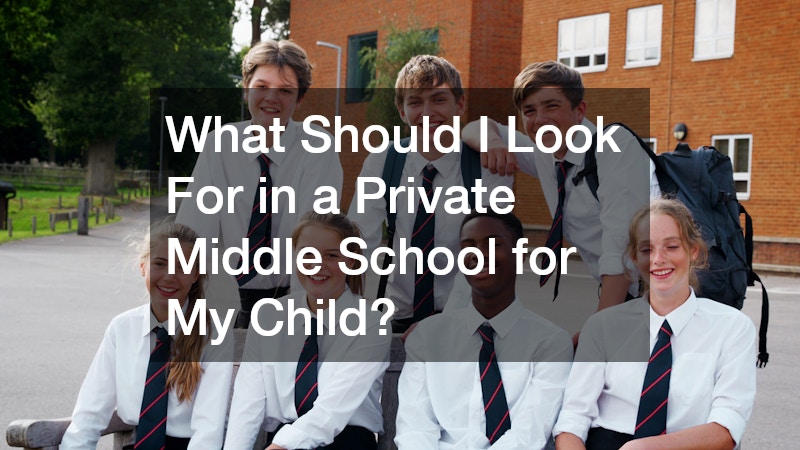
When considering a private middle school for your child, focus on core criteria such as academic performance, values, and community culture. Academic performance is often paramount, viewed through standardized test scores and curriculum quality.
However, alongside academics, a school’s commitment to values and character building plays a critical role. Schools with strong community cultures encourage peer support and active engagement. These elements collectively ensure a supportive and growth-focused environment.
Notably, class size is a pivotal consideration. Smaller class sizes allow for more personalized attention and tailored instruction, fostering an environment where individual student needs are met effectively. They enable teachers to focus on each student’s particular strengths and areas for improvement, creating a nurturing learning space. The intimacy promotes stronger relationships and encourages students to participate actively. This approach contrasts with larger schools where students may feel lost in the crowd.
Engagement in extracurricular programs is another deciding factor. Such programs provide opportunities beyond the academic curriculum that can enrich a child’s middle school experience significantly. These activities, be it sports, arts, music, or clubs, complement academic learning by helping develop social skills, team spirit, and personal interests. Schools with robust extracurricular offerings often translate into vibrant student communities. Parents can review the range and quality of these programs when making their choice.
Why Is Class Size Significant?
Class size significantly influences the learning experience and outcomes at a private middle school. In smaller classes, students receive more personalized attention, which can lead to higher academic achievement. Teachers in small classes can tailor their approaches to cater to individual needs, fostering a more inclusive and supportive educational environment. According to some educational studies, smaller class sizes are correlated with better engagement and motivation among students. This tailored educational approach positions students for success.
- More personalized attention for each student
- Enhanced student participation
- Stronger teacher-student relationships
- Better academic results
- More accommodating for various learning styles
Moreover, smaller class sizes promote more effective classroom management. With fewer students, teachers can better maintain control and discipline, which creates a positive learning atmosphere. This environment enables focused teaching, minimizing disruptions common in larger classes. Parents considering a private middle school should prioritize class size as a key aspect linked to student success. For parents, it’s essential to balance these benefits against the financial implications of private schooling.
How Important Are Extracurricular Programs?
Extracurricular programs play a decisive role in the holistic development of students at a private middle school. These programs offer opportunities for students to explore their interests and talents beyond the regular academic courses. Participation in sports, arts, music, and clubs aids in the development of essential skills such as leadership, teamwork, and time management. The skills acquired through these activities contribute significantly to a student’s personal growth and readiness for future challenges. Schools invested in these programs typically see higher student satisfaction.
- Development of social and personal skills
- Opportunities to explore various interests
- Increased student satisfaction and engagement
- Enhanced sense of community and belonging
- Preparation for future leadership roles
A well-rounded education is beneficial for a child’s confidence and motivation. Schools that provide comprehensive extracurricular opportunities encourage students to thrive both inside and outside the classroom. By fostering environments where students have access to diverse programs, private middle schools can help cultivate resilient, dynamic individuals. Parents should consider how such programs align with their child’s interests and the overall educational goals they have in mind. This focus supports a balanced education that nurtures both intellect and creativity.
What Role Does Educational Philosophy Play?
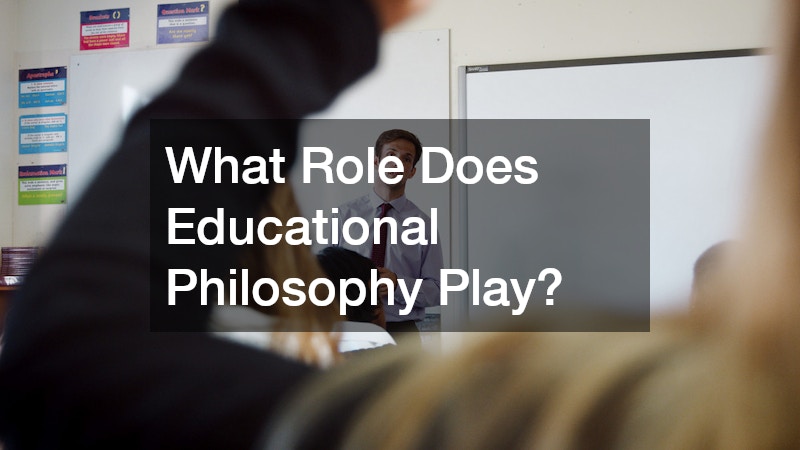
An educational philosophy underpins the teaching and learning approaches within a private middle school. This philosophy provides a framework that dictates how the school fosters academic and personal growth among students. Diverse educational philosophies range from traditional to progressive models, each offering its own methods and benefits. A progressive curriculum might prioritize critical thinking and independent learning, while traditional models may emphasize structure and discipline. Parents should assess these philosophies to understand which aligns best with their values and their child’s learning style.
The educational philosophy also determines the type of curriculum and teaching methodologies employed by the school. For instance, schools with an inquiry-based approach often encourage a hands-on learning process wherein students actively participate and engage with the material. Parents often find these contemporary approaches beneficial for children who are self-motivated learners. Schools with a coherent educational philosophy are often better suited to cater to individual learning styles. For families considering “private middle school” options, exploring the school’s guiding principles is key.
The philosophy will also influence the atmosphere and culture of the school community, which can affect a student’s experience profoundly. A strong educational foundation does not only teach academic subjects but also integrates life skills essential for students’ success in modern society. It is crucial to select a school whose philosophy aligns with your family’s values and educational expectations. This alignment will ensure that your child grows in an environment that supports both academic achievements and personal development.
Conclusion
In considering private middle schools, parents must deliberate over an array of crucial factors, including class size, extracurricular programs, and educational philosophy. Each of these components plays an integral role in shaping a child’s academic and personal development. Smaller class sizes ensure personalized attention and nurturing teacher-student relationships. Extracurricular activities support the acquisition of essential life skills. Moreover, a school’s educational philosophy dictates the learning experiences offered to students.
Completing thorough research and visiting potential schools can provide insights that aid in making an informed decision. By understanding each school’s unique offerings and how they align with your child’s needs and family values, you can select an institution that offers the optimal environment. Resources like GreatSchools, Private School Review, and Niche provide valuable insight and comparison tools for evaluating educational establishments.
Selecting the right private middle school sets the stage for your child’s academic journey, providing them with the tools to excel academically and socially. With the right choice, your child will thrive in an environment conducive to learning, growth, and personal development, setting a firm foundation for their future success.