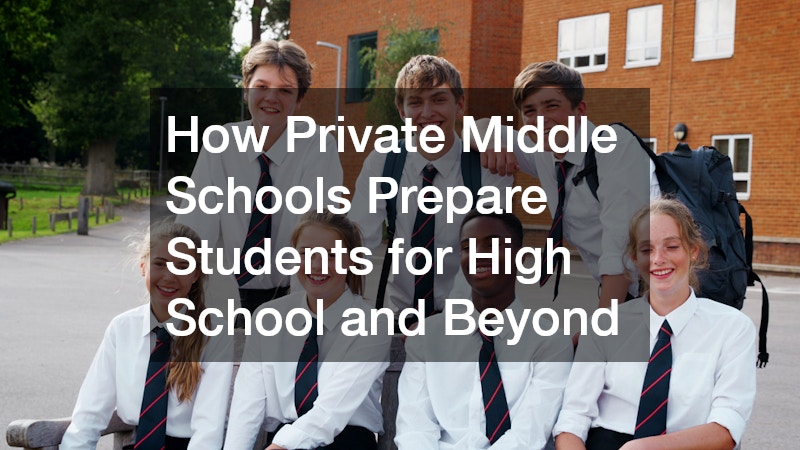
Private middle schools establish a solid academic foundation by introducing rigorous, inquiry-based curricula early in a child’s development. During these critical transitional years, students move beyond simple memorization to engage in high-level critical thinking, collaborative problem-solving, and analytical writing. According to educational research from the National Center for Education Statistics (NCES), independent learning environments often benefit from the flexibility to design specialized course trajectories that challenge students appropriately without being bound by rigid standardized testing schedules.
By cultivating deep intellectual curiosity and academic discipline in grades six through eight, these institutions ensure that students do not face a jarring adjustment period when entering upper-level high school courses. Instead, learners arrive on campus on day one equipped with advanced reading comprehension, mathematical reasoning, and essay-writing skills.
This proactive approach transforms middle school from a holding period into an intentional springboard for high school honor tracks, Advanced Placement courses, and future university success.
How Do Small Class Sizes Impact Student Development During the Middle School Years?
Smaller class sizes dramatically improve academic performance and personal engagement during middle school by ensuring that no student falls through the cracks. In a smaller setting, teachers gain a precise understanding of every child’s unique learning style, strengths, and areas for improvement. This intimate environment makes it easy for educators to adapt their teaching strategies, deliver immediate constructive feedback, and offer extra support the moment a concept becomes challenging.
-
Enhanced Classroom Participation: Students in smaller cohorts feel more comfortable speaking up, asking questions, and contributing to group discussions.
-
Customized Learning Paths: Teachers can easily differentiate instruction, offering accelerated materials for advanced learners and tailored interventions for those who need reinforcement.
-
Stronger Student-Teacher Relationships: Lower student-to-teacher ratios build strong trust, allowing mentorship to extend far beyond basic classroom instruction.
-
Fewer Classroom Distractions: Reduced class sizes decrease behavioral disruptions, creating a focused, productive learning environment.
How Do Private Middle Schools Help Students Develop Vital Executive Functioning Skills?
Private middle schools intentionally teach executive functioning skills, helping early adolescents learn how to manage complex workloads, organize multi-step projects, and prioritize their daily time effectively. Rather than assuming students naturally know how to study, educators weave organizational strategies directly into the core curriculum. Students are guided through creating study schedules, breaking down long-term assignments, and taking structured notes across various disciplines.
As academic expectations increase in high school, students who have already mastered these habits experience significantly less stress and anxiety. Insights shared by the College Board highlight that early mastery of self-regulation and study skills correlates strongly with higher academic performance and lower burnout rates in secondary education. Learning how to self-advocate, seek help from instructors, and manage deadlines independently prepares students to take full ownership of their education long before they step foot on a college campus.
Why Is Social and Emotional Support So Critical During the Middle School Transition?
Social and emotional support is vital during middle school because early adolescence brings rapid cognitive, physical, and emotional changes that can easily disrupt learning. Private schools address these needs through dedicated advisory systems, where small groups of students meet regularly with a faculty mentor who monitors their well-being. These advisory hours provide a safe space for open conversations about peer relationships, stress management, digital citizenship, and conflict resolution.
When students feel valued, safe, and emotionally supported, their academic engagement increases significantly. According to long-term education policy studies published by Education Next, positive, supportive school climates play a vital role in keeping young adolescents connected to their learning community. By pairing rigorous academics with compassionate emotional guidance, private institutions help students navigate social pressures, build emotional resilience, and develop strong self-worth.
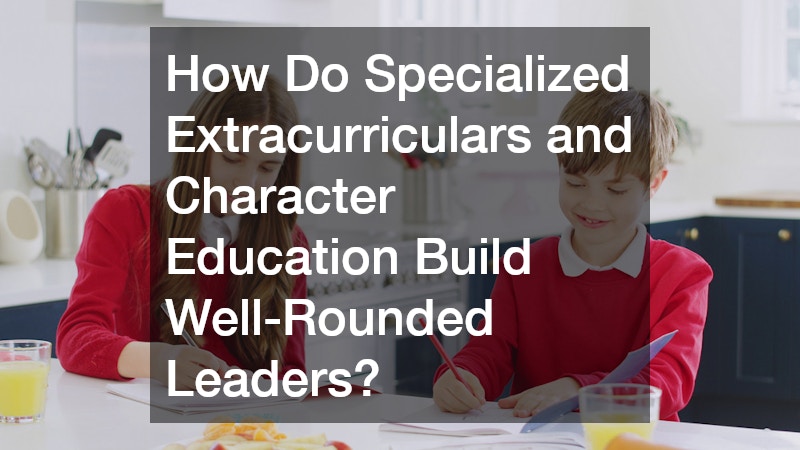
How Do Specialized Extracurriculars and Character Education Build Well-Rounded Leaders?
Character education and diverse extracurricular programs nurture well-rounded students by encouraging them to explore interests beyond academic subjects. Through leadership opportunities, athletic programs, visual arts, and community service projects, middle schoolers discover their passions and learn how to contribute meaningfully to the world around them.
-
Leadership Development: Student councils, peer mentoring initiatives, and team captain roles teach students accountability, public speaking, and team management.
-
Core Values & Integrity: Daily character education emphasizes values like empathy, honesty, personal responsibility, and respect for diverse perspectives.
-
Community Engagement: Structured service-learning projects connect classroom lessons to real-world issues, building empathy and civic responsibility.
-
Exploration & Creativity: A broad selection of electives—ranging from robotics and drama to debate—helps students test new skills without fear of failure.
The journey through middle school is one of the most transformative periods in a child’s educational life. By choosing an environment that prioritizes academic excellence, individualized mentorship, and intentional character development, families give their children a distinct advantage. The habits, confidence, and foundational knowledge gained during these formative years stay with students far beyond high school graduation. Ultimately, investing in a supportive middle school environment equips young learners with the essential tools they need to navigate future academic challenges, lead with purpose, and thrive in an ever-changing world.