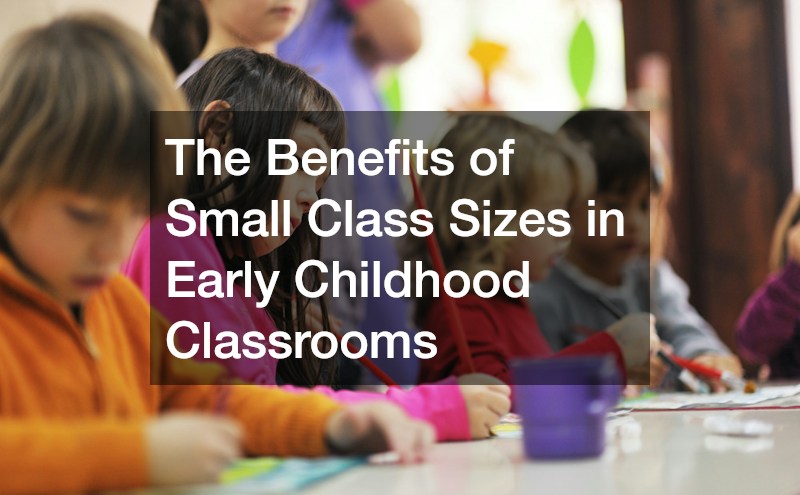
Walking into an early childhood classroom for the first time can feel like stepping into a miniature world of boundless energy, curiosity, and rapid growth. Between the ages of three and five, children undergo some of the most significant cognitive, social, and emotional developments of their entire lives. While curriculum design, classroom materials, and teacher qualifications all play major roles in shaping a child’s early educational journey, one structural factor quietly influences nearly every moment of the school day: class size. When a learning environment maintains a low student-to-teacher ratio, the entire classroom dynamic shifts from crowd management to intentional mentorship. At private preschools, educators see firsthand how intimate learning spaces empower young children to ask deeper questions, take healthy intellectual risks, and build lasting self-confidence before entering elementary school.
Fostering Individualized Academic Growth
Every young child arrives at school with a distinct developmental timeline and a unique set of interests. One four-year-old might already be blending phonetic sounds, recognizing sight words, and asking detailed questions about the solar system, while a classmate of the exact same age is still mastering fine motor control with a paintbrush or building the stamina to sit through a ten-minute picture book.
In smaller classrooms at private preschools, teachers have the daily bandwidth to recognize these subtle individual differences and respond to them in real time without leaving any learner behind.
Tailoring Instruction to Unique Learning Styles
When teachers work with a smaller cohort of students, they can carefully observe how each child processes and retains new information. Some young learners thrive through hands-on tactile exploration with blocks, sand, or counting manipulatives, while others absorb concepts best through storytelling, music, movement, or visual demonstrations. Rather than relying on a rigid, one-size-fits-all lesson plan, educators in small classrooms can adapt activities on the fly to match what resonates with their students. If a child shows a sudden fascination with how seeds sprout during outdoor play, the teacher can immediately pivot to a spontaneous science inquiry, guiding that natural curiosity into a meaningful, multi-day learning project.
Identifying Developmental Needs Early
Early intervention is one of the most powerful tools in childhood education, yet subtle developmental hurdles often go unnoticed in large, bustling classrooms where teachers are stretched thin. Whether a child is experiencing a mild speech articulation delay, difficulty with sensory processing, or challenges with visual-motor coordination, close daily interaction makes these patterns much easier to identify. Teachers in smaller settings can document observations consistently, share specific insights with parents, and introduce supportive classroom strategies long before minor gaps turn into academic frustrations. Parents comparing local private preschools often value how attentively educators in smaller classrooms monitor these early milestones.
Strengthening Social and Emotional Development
Before children can excel at reading, writing, or mathematics, they must feel safe, seen, and emotionally regulated within their learning environment. Early childhood education is fundamentally social, and the size of a child’s peer group directly affects how easily they form lasting friendships, build trust with adults, and develop resilience when facing unfamiliar challenges.
Building Secure Teacher-Child Attachments
Young children rely on warm, responsive relationships with trusted caregivers to feel secure enough to explore new environments and try unfamiliar tasks. According to the National Center for Education Statistics, out of the 59% of American children ages three to five enrolled in early preprimary programs, 39% attend public schools while 20% are enrolled in private educational settings. Many parents who seek out private preschools do so specifically to ensure their children receive consistent, attentive care from familiar adults throughout the school day. When a teacher is responsible for fewer students, every child receives frequent eye contact, unhurried conversations, and genuine emotional validation that reinforce a strong sense of belonging.
Practicing Conflict Resolution and Empathy
Learning to navigate peer disagreements is a vital part of early childhood, yet young learners do not instinctively know how to negotiate turns, share coveted toys, or articulate frustration without calm adult guidance. In a large classroom, a dispute over building blocks might result in a quick intervention simply to restore order and keep the schedule moving. In a smaller class, the teacher can kneel down beside the children, help them name their emotions, and coach them through finding a fair compromise together. Over time, these guided interactions teach young learners empathy, active listening, and constructive self-advocacy that serve them well throughout their academic careers.
Supporting Meaningful Family Partnerships
A child’s educational journey is strongest when parents and teachers operate as a unified, collaborative team. Class size plays a surprisingly direct role in the quality, frequency, and depth of communication between school and home, turning routine drop-offs and pick-ups into meaningful opportunities for connection.
Delivering Detailed Daily Communication
When educators oversee a smaller group of children, they retain rich, specific memories of each student’s day rather than struggling to recall brief interactions across a crowded room. Instead of offering a generic report that a child had a good day, teachers can share vivid anecdotes about a breakthrough at the sensory table, a kind gesture toward a classmate, or a humorous question asked during lunch. Maintaining manageable group sizes ensures that educators can build authentic relationships with families and keep parents genuinely connected to their child’s daily social and academic milestones.
Aligning Home and Classroom Routines
Major early childhood transitions — such as potty training, overcoming separation anxiety, or adjusting to new nap schedules — require steady consistency between home and school. When teachers are not overwhelmed by an overcrowded roster, they can collaborate closely with parents to align daily strategies, troubleshoot setbacks, and celebrate incremental progress together. Families exploring early childhood curriculum options at private preschools frequently find that this level of personalized partnership gives both parents and children greater confidence and peace of mind during key developmental transitions.
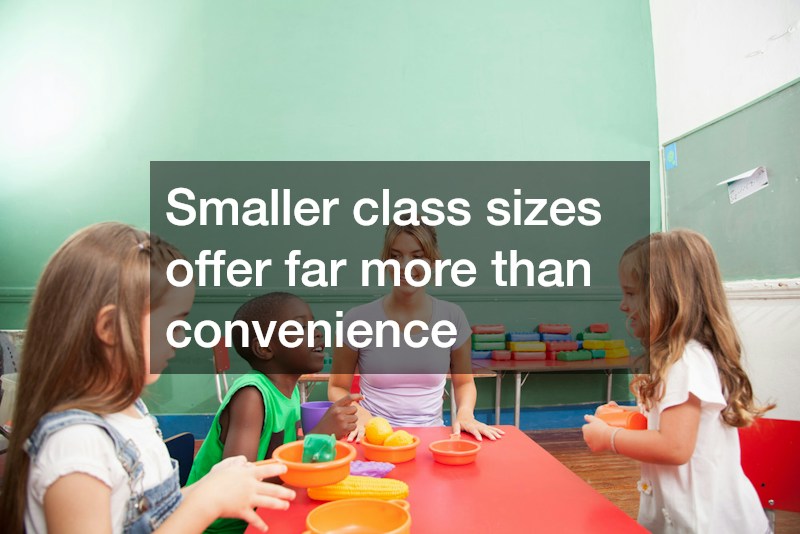
Choosing the right early learning environment sets the tone for how your child views school, curiosity, and their own capabilities for years to come. Smaller class sizes offer far more than convenience; they create the emotional safety, personalized instruction, and supportive atmosphere young minds need to flourish. As you compare local private preschools and evaluate what matters most for your family, pay close attention to how teachers interact with students and how much space each child has to be heard. To see how an intimate, nurturing classroom environment can nurture your child’s potential, reach out to your local preschool today to schedule a personal tour.