The administration of an independent private school is a complex exercise in institutional leadership, pedagogical excellence, and strict physical risk management. Unlike public school districts, which are insulated by centralized municipal maintenance budgets, state-backed legal departments, and broad-scale public infrastructure funding, private academies operate as self-contained financial and legal entities. Every structural asset, sub-surface plumbing line, classroom lighting array, and environmental variable falls under the direct personal liability of the school’s board of directors, headmasters, and facility operations teams. A single failure in campus health or safety protocols does not merely disrupt daily lesson plans; it can trigger devastating civil litigation, permanently compromise institutional accreditation status, and inflict irreparable harm upon enrollment recruitment.
Furthermore, the physical condition of an educational facility directly dictates the physiological wellness and cognitive output of its student body. Emerging neurological and environmental research consistently demonstrates that poor indoor air quality, sub-optimal lighting calibration, unaddressed toxic biological vectors, and deferred structural maintenance directly correlate with elevated absenteeism, chronic respiratory issues, and diminished focus during high-stakes testing cycles. To establish an elite learning sanctuary that commands parental trust and ensures total regulatory compliance, private school administrators must shift away from passive, reactionary building care. This comprehensive guide provides an in-depth operational blueprint designed to help you analyze early childhood safety codes, engineer advanced environmental disinfection loops, manage structural degradation, and enforce absolute toxicological safety across your academic campus.
Hardening Environmental Health in Early Learning Environments

The architectural engineering of early childhood spaces requires a specialized level of attention due to the unique physiological and behavioral profiles of the children who occupy them. In modern private academies, the sections dedicated to foundational early childcare education tracks serve as a primary introduction to institutional learning. Because young children possess developing immune systems and interact intimately with their physical surroundings through floor-level play and tactile exploration, these environments require an enhanced layer of protective structural oversight that far exceeds standard adult workspace parameters.
When configuring dedicated childcare wings, facilities directors must move past basic decorative aesthetics to prioritize absolute biological safety and physical accident prevention. This begins with the strict selection of building elements that are entirely free of volatile organic compounds (VOCs), phthalates, and heavy metal pigments, eliminating the long-term risk of childhood chemical inhalation. Flooring selections inside early childhood centers must feature non-porous, shock-absorbent, hypoallergenic materials that can withstand continuous wash-down procedures without absorbing microbial contaminants. Furthermore, the physical layout must restrict water delivery systems to ultra-low, anti-scald temperature boundaries to prevent thermal skin trauma, while all low-level electrical infrastructure must incorporate mandatory, tamper-resistant internal shutter mechanisms.
- Establish strict ground-level egress tracks: Ensure all early childhood classrooms are situated exclusively on the ground floor of the facility to facilitate rapid, unassisted physical evacuation during a localized emergency drill.
- Deploy dedicated air-exchange loops: Configure early learning zones with independent, multi-stage HEPA air filtration circuits that achieve complete volume air turnover cycles multiple times per hour, drastically suppressing airborne viral transmission.
- Mandate strict micro-surface sanitization zones: Equip infant and toddler play boundaries with non-toxic, food-grade antimicrobial surface finishes that resist cross-contamination from saliva and skin oils.
Engineering Specialized Facilities, Sanitation and Pest Mitigation Systems
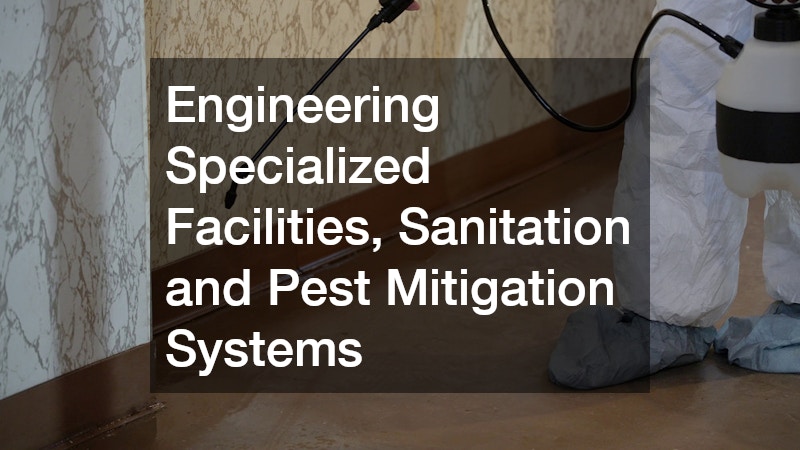
Maintaining an unyielding shield against biological contagions and invasive pests across a multi-acre academic campus demands a highly structured, industrialized approach to sanitation management. Private school facilities feature a dense collection of high-traffic communal zones, including athletic locker rooms, high-volume dining halls, and multi-user computer laboratories. If these high-friction touchpoints are left to casual, untrained internal janitorial sweeps, they rapidly transform into active vectors for the transmission of aggressive noroviruses, staphylococcus strains, and seasonal influenza.
To prevent these disruptive outbreaks, private school administrative boards should establish rigorous contractual frameworks with a certified, commercial-grade school cleaning service. A specialized educational cleaning partner operates under strict compliance with OSHA, EPA, and CDC guidelines, deploying green-certified, hospital-tier disinfectants that systematically eradicate viral biofilms without introducing harsh, respiratory-irritating chemical residues into the classroom air. Simultaneously, a premier facility strategy must treat pest management through the modern framework of Integrated Pest Management (IPM). Bypassing traditional, outdated routines of broad-spectrum chemical spraying, a progressive IPM program focuses on structural exclusion, moisture containment, and precise tracking. Whenever a facility experiences breach indicators from wood-boring insects, structural rodents, or stinging vectors, administrators must immediately engage an institutional exterminator to execute targeted, non-chemical exclusion methods, install physical barrier meshes, and seal hidden utility pathways before a minor infestation compromises the structural sanitation rating of the entire academy.
- Audit cleaning subcontractor chemical logs: Require your commercial cleaning vendor to provide verified Safety Data Sheets (SDS) for every compound deployed on campus, ensuring total alignment with non-toxic school health parameters.
- Implement automated electrostatic disinfection loops: Utilize high-efficiency electrostatic sprayers during weekend maintenance windows to uniformly coat complex, irregular classroom surfaces, such as chair undersides and laboratory equipment arrays.
- Enforce non-chemical vector exclusion rules: Mandate that all perimeter entryways, structural expansion joints, and loading dock portals feature high-tensile steel brush seals to deny access to crawling pests without chemical utilization.
Managing Classroom Environmental Controls and Architectural Foundations
The physical architecture of a private school classroom directly impacts the visual ergonomics, cognitive endurance, and daily physical safety of the students working inside it. A primary concern within the modern classroom design paradigm is the precise management of natural sunlight, solar heat gain, and high-intensity glare. While ample natural daylight is highly beneficial for regulating circadian rhythms and elevating mood, unshielded solar penetration creates severe visual fatigue, washes out digital presentation screens, and can create dangerous thermal pockets within the room.
Resolving this visual balancing act requires outfitting all academic windows with durable, highly commercialized interior shading solutions. Selecting and deploying a fire-retardant, cordless window blind assembly across all classroom frames allows instructors to easily modulate internal lighting metrics to match dynamic external weather patterns. Crucially, opting for strictly cordless architectural control mechanisms is an absolute safety requirement across educational settings, eliminating severe cord-strangulation and physical entanglement risks for younger students. Looking beyond interior classroom components, facilities directors must also maintain a continuous audit of the campus’s external structural envelope. For heritage private school estates that feature historic masonry and classical architecture, protecting the building’s primary structural stability requires the selection of premium materials. Utilizing high-density, low-porosity stone elements across your facility’s primary base structures and retaining walls prevents moisture intrusion, resists freeze-thaw cracking, and insulates the academy’s foundation from subterranean shifting over centuries of continuous institutional use.
- Enforce strict window assembly cordless standards: Mandate a complete ban on loop-cord window treatments across all educational buildings, replacing legacy fixtures with modern spring-loaded tensioning mechanisms.
- Calibrate light-reflectance value scales: Ensure classroom window treatments possess specialized micro-perforations or reflective silver backing to block up to ninety-five percent of blinding glare while allowing soft ambient light transmission.
- Execute annual external masonry stress sweeps: Retain an expert civil engineer to perform ultrasonic density testing on all structural perimeter walls, catching early signs of mortar degradation or structural settling before water infiltration can damage internal classroom drywall.
Eradicating Subsurface Infrastructural Faults and Managing Mass Gatherings

The infrastructure of a private academy is subjected to extreme, highly cyclical mechanical strains that differ drastically from traditional residential or basic commercial properties. On a typical academic campus, thousands of individuals occupy the property simultaneously, creating intense spikes in utility, electrical, and water management systems. The most acute strain occurs within the facility’s subsurface waste management networks, where thousands of plumbing fixtures are activated simultaneously during brief, designated class transition periods and athletic events.
If a school’s main drainage trunks have suffered from a slow accumulation of organic debris, calcified mineral deposits, or invasive tree root penetrations, these intense high-volume usage cycles will trigger a sudden operational crisis. Recognizing the early diagnostic indicators of an impending main line clog, such as slow floor drain extraction rates, gurgling laboratory sinks, or localized sewer gas emissions, allows facilities managers to execute immediate hydro-jetting and camera inspections before an active backup occurs. A major sewage failure forces an immediate, mandatory closure of the entire educational facility under local public health codes, resulting in costly emergency remediation bills and damaging operational downtime. Maintaining flawless subsurface fluid mechanics is equally vital when a private academy opens its doors to host large-scale community events outside of standard school hours. When a campus assembly hall, auditorium, or chapel space is configured to host an expansive group bible study, public lecture, or parent-teacher convention, operations teams must ensure that the room’s mechanical ventilation systems are fully throttled up to process the heavy carbon dioxide output of a maximum-occupancy crowd, preserving safe indoor air metrics throughout the entire gathering.
- Deploy routine camera diagnostic sweeps: Schedule comprehensive, electronic video inspections of your primary subsurface sewer mains at least once a year during summer break periods to proactively locate internal piping deformations.
- Enforce plumbing interceptor maintenance programs: Install and service heavy-duty commercial grease and sediment interceptors in all campus culinary kitchens and science laboratories to prevent structural pipe choking.
- Audit fire occupancy ceiling numbers: Ensure every large-scale assembly space features highly visible, municipally approved occupancy plaques, and strictly configure seating layouts to guarantee wide, unhindered exit access pathways.
Executing Environmental Compliance and Logistics Space Planning
A truly comprehensive campus safety matrix requires an exhaustive, ongoing investigation into hidden toxicological variables that can lurk silently within the land, water, and air of the school grounds. Private schools frequently occupy expansive, multi-building historic campuses or redeveloped commercial zones that may carry historical environmental liabilities, such as legacy lead service lines, hidden friable asbestos insulation, subterranean radon gas accumulations, or chemical soil pollution from past industrial neighbors.
To insulate your student body from these severe, invisible health risks and shield your institution from immense regulatory enforcement penalties, you must actively track environmental data. Partnering with a licensed, independent environmental consultant allows you to implement an objective, scientific testing regimen across your entire footprint. A professional environmental firm will execute micro-testing of drinking water fountains for heavy metal traces, install continuous electronic radon tracking arrays in lower-level classrooms, and run sub-slab soil vapor extraction sweeps to ensure that your school property remains fully verified as a pristine, safe environment for your staff and students alike. Finally, managing an elite campus requires balancing these deep compliance steps with efficient, long-term spatial logistics. To prevent high-density hallways and primary mechanical rooms from becoming cluttered with oversized seasonal gear, which creates severe tripping and fire-exit hazards, school logistics teams should deploy high-capacity, heavy-gauge steel storage container units on the school’s outer utility perimeters. These rugged, weather-tight containment structures provide a highly secure, vaulted zone to organize landscaping tools, bulky athletic field equipment, and construction materials completely out of the sight and physical reach of children.
- Execute proactive lead-in-water sweeps: Mandate annual multi-point laboratory testing of all active hydration stations and kitchen prep sinks, utilizing advanced filtration systems to guarantee zero lead particle detection.
- Deploy continuous radon tracking arrays: Install digital radon monitors in all basement and ground-level academic spaces, setting automated alarms that integrate directly into the central building management system.
- Isolate specialized outdoor support storage: Utilize secure, lockable external steel vaults to store fuel reserves, industrial lawn mowers, and maintenance machinery, eliminating the possibility of curious students interacting with hazardous industrial tools.
As you look forward to directing your school’s facility management strategies, challenge yourself to move completely past a reactionary mindset and embrace a stance of predictive operational leadership. Reject the dangerous temptation to rely on cheap, unverified cleaning protocols, overlook early plumbing warnings, utilize uncertified field materials, or ignore hidden toxicological variables within your property’s soil and air. Take the direct initiative this week to execute the foundational steps outlined in this blueprint: compile an itemized asset health registry, audit your early childcare licensing provisions, review your classroom lighting acoustics, and schedule a comprehensive campus-wide evaluation with an expert environmental firm. By taking absolute ownership of your facility’s health and safety parameters today, you completely neutralize hidden structural liabilities, eliminate the threat of sudden operational closures, and guarantee a pristine, hyper-optimized learning environment where generations of future leaders can thrive in absolute safety for many years to come.